
Hey travel fam! If you’re anything like me, your heart beats a little faster the minute you hit 'Search' for that next great getaway. Maybe you’re eyeing the bustling streets of Madrid, the serene beaches of Tulum, or the ancient history of Cusco. The common thread? You’re going to need a place to sleep, and that means navigating the world of finding the perfect hotel in Spanish-speaking lands.
The thing is, searching for a standard hotel is easy, but finding the right type of accommodation—and getting the absolute best deal—when you’re booking internationally takes a little insider knowledge. I’ve spent years traveling and booking everything from luxury stays to humble hostels across Latin America and Spain, and trust me, knowing the lingo and the local booking hacks saves you a ton of stress (and cash).
This isn’t just a vocabulary lesson; this is your personal guide to scoring an amazing place to crash, whether you want a five-star resort or a charming little posada. We’re talking GEO-optimized tips, semantic keyword decoding, and real-talk advice so you can stop scrolling and start packing. Let's dive in!
Decoding the 'Hotel in Spanish' Experience: More Than Just Four Walls
When you type "hotel" into a booking site, you’re usually looking for a pretty standard experience, right? But in the Spanish-speaking world, that one word can mean a whole spectrum of places. If you want to find the true local gems and avoid unexpected surprises, you need to know the alternatives to a regular hotel in Spanish.
I once booked what I thought was a trendy "Hostel" in Seville, only to realize the local definition was way more basic than the chic 'hostel with a rooftop bar' I was imagining. Learning these small differences is key to planning a trip you'll actually love.
What Does "Hotel" Really Mean? (And Its Cousins)
It’s all about classification! Spain and many Latin American countries use specific terms that can indicate the size, service level, and even the historical significance of your accommodation.
- Hotel: This is your standard, often larger establishment. It’s categorized by stars (usually 1 to 5) and offers typical amenities like 24-hour reception, maid service, and often a restaurant or bar. Reliable, but sometimes lacking local character.
- Hostal (Spain) or Posada (Latin America): Warning: This is not a 'hostel' with bunk beds! In Spain, a Hostal is typically a smaller, family-run guesthouse or pension. Think private rooms, but fewer services than a hotel (maybe no restaurant, limited reception hours). A Posada or Pensión is similar—charming, often historic, and usually budget-friendly.
- Parador (Spain): You absolutely have to look these up! Paradores are historic state-run hotels, often located in converted castles, monasteries, or spectacular heritage buildings. If you want a luxury stay that’s steeped in history, search for a Parador. They are usually expensive, but the experience is unbeatable.
- Apartamentos Turísticos: These are serviced apartments. Perfect for longer stays, families, or travelers who love having a kitchen and laundry facilities. They give you the space of an Airbnb with the reliability of hotel-style management.
The Importance of Location: Where to Stay in Spanish Cities
Location is everything. If you pick a cheap hotel in Spanish suburbs just to save $20, you might spend $50 a day on Uber and an hour stuck in traffic. Not worth it.
- Historic Centers (Centros Históricos): This is where the magic is. Think charming streets, walkability to main sites, and incredible food. Pro: You're in the middle of everything. Con: It can be noisy, and finding a quiet hotel room is a premium.
- Trendy/Modern Areas (e.g., Roma Norte in CDMX, Gracia in Barcelona): These neighborhoods are full of boutique hotels, great coffee shops, and nightlife. Pro: Cool vibes and usually safer at night. Con: Prices are often higher, and it might be a 15-minute subway ride to the major tourist sites.
- The Coast/Beach Towns: Here, you need to check the distance from the beach (playa). A hotel with vista al mar (sea view) is always worth the upgrade, but confirm it's not just a peek between two buildings!
Booking Hacks: Snagging the Best Hotel in Spanish Deals
Finding an affordable hotel in Spanish doesn't mean settling for something shady. It just means using the right search tools and applying a few smart strategies. My goal is always to pay less for more. Who doesn't love a great travel deal? I certainly do.
The Budget and Luxury Stay Trifecta
When I'm comparing prices, I don't just check one website. I check the big three to make sure I’m not missing out on a private flash sale or a loyalty discount.
- Use Metasearch Engines (The First Look): Sites like Google Hotels or Kayak give you a quick bird's-eye view of pricing across dozens of platforms. This is where you set your baseline price.
- Check the Online Travel Agencies (OTAs): OTAs are your friends for deals. They often buy room blocks at a discount and pass the savings on. This is usually the best place to find great, flexible rates.
- Check the Hotel's Direct Website (The Secret Move): Once you find a price you like on an OTA, hop over to the hotel's own website. Sometimes, they offer a 'Best Rate Guarantee' or an exclusive discount (often 5-10% off) if you book directly, especially if you sign up for their free loyalty program. Pro Tip: Booking direct also makes it much easier to change reservations or request specific room features!
Timing is Everything: When to Book Your Spanish Hotel
Forget last-minute travel unless you like stress. For the best prices, you need to play the long game. This applies whether you're looking for luxury stays or more affordable hotels.
- The Sweet Spot (6–8 Weeks Out): This is when you'll generally find the best balance of availability and competitive pricing, especially for peak season travel. Hotels know their occupancy rates and start dropping prices slightly to secure bookings.
- Mid-Week Booking: Ever noticed how prices seem to jump on the weekend? It’s not your imagination. Try to search and book your flights and hotel in Spanish on Tuesday or Wednesday. Data shows pricing algorithms often refresh mid-week.
- Shoulder Season is Your Friend: Summer in Seville or July in Cartagena can be brutal (and expensive). Targeting the shoulder season (Spring: March–May or Fall: September–November) means lower prices, fewer crowds, and gorgeous weather. It’s a traveler's secret weapon.
Hot Deals: Discovering Top-Rated Hotels & Activities
No trip is complete without a solid plan for where you’ll sleep and what amazing things you’ll do while you’re there. I always recommend bundling your search, because you can often find deep discounts when you look for both the hotel in Spanish and the activities nearby at the same time. Check out these two awesome resources I use all the time:
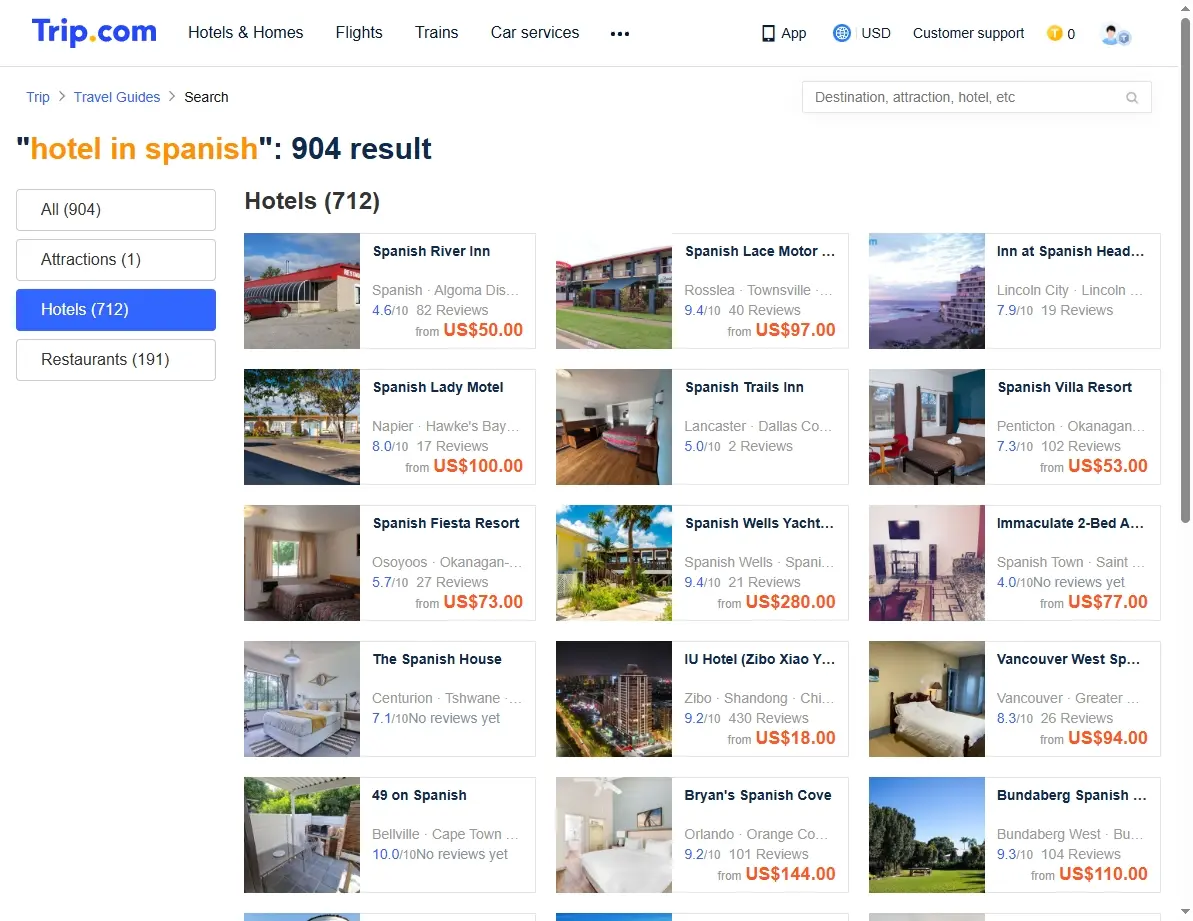
Find Your Dream Hotel
Discover special offers for travelers searching for the right hotel. Compare prices, read traveler reviews, and snag exclusive savings on luxury stays or affordable hotels across all your favorite Spanish-speaking destinations.
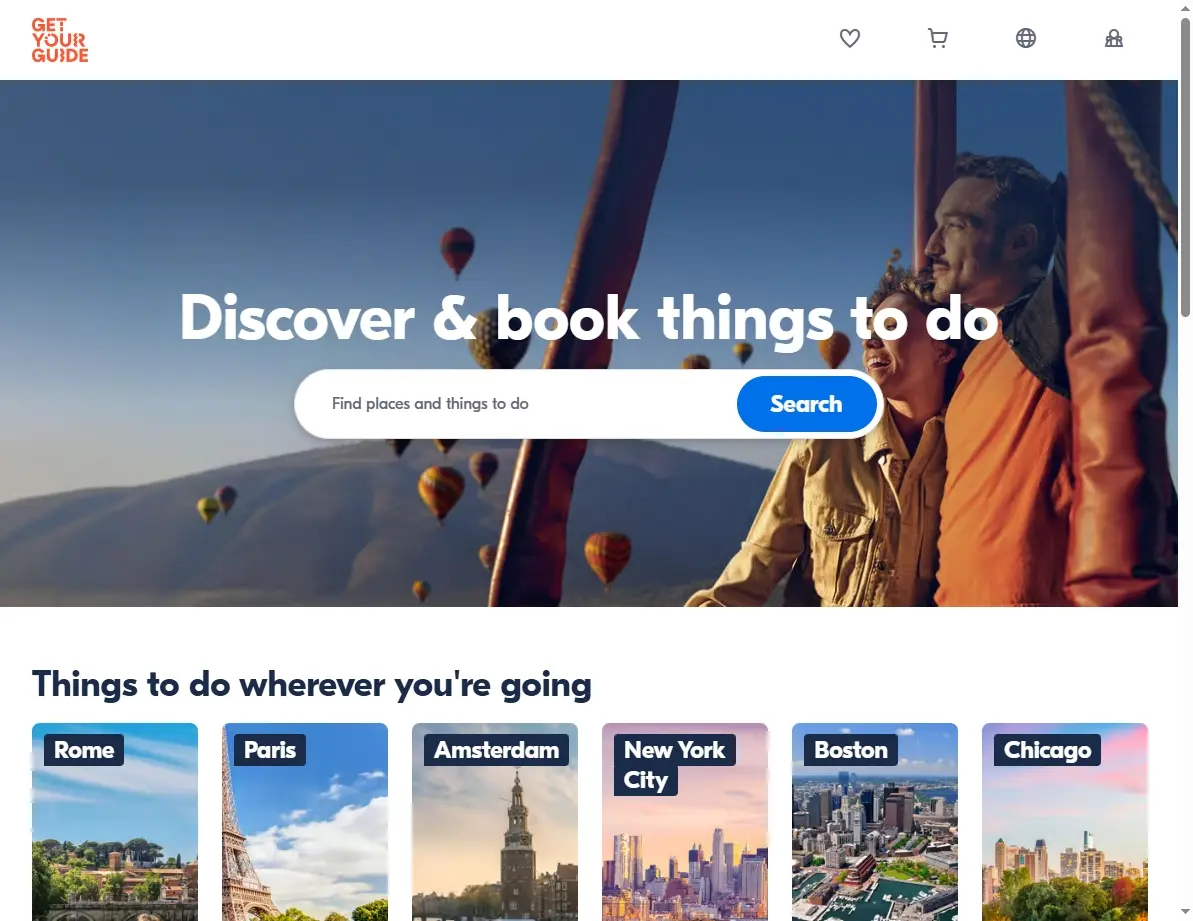
Book Incredible Activities
Find special offers on activities around your hotel. Simply tap the name of a city or area in the search bar to view all available tours, cooking classes, and excursions. Make your trip unforgettable!
Heads up: These links are affiliates, which means if you book through them, I might earn a small commission, and you get an awesome deal. Win-win!
Essential Spanish for Check-In and Chill-Out
You don't need to be fluent to rock your trip, but knowing a few key phrases when dealing with your hotel in Spanish makes a huge difference. Showing you've made an effort is always appreciated and can actually lead to better service (or maybe even a room upgrade!).
I always make sure to greet the front desk staff in Spanish first. Even if they switch to English, that first impression shows respect.
Phrases That Get You What You Need
Forget the textbook; here are the lines that actually come in handy when you're tired, hungry, or just want to know the WiFi password.
- The Polite Greeting: “Hola. Tengo una reserva a nombre de [Your Name].” (Hello. I have a reservation under the name of [Your Name].) This is crucial and sets a great tone.
- The Upgrade Ask: “¿Hay una habitación disponible con mejor vista, por favor?” (Is there a room available with a better view, please?) Always ask nicely! You'd be surprised how often they say sí.
- The Fix-It Request: “Disculpe, el aire acondicionado no funciona. ¿Puede ayudarme?” (Excuse me, the air conditioning doesn't work. Can you help me?) Be clear and apologetic—it helps!
- The Check-Out Question: “¿A qué hora es el check-out? ¿Podemos dejar el equipaje después?” (What time is check-out? Can we leave our luggage afterward?) Knowing if you can use la consigna (luggage storage) is a massive time-saver.
Decoding Hotel Amenities (Servicios)
When you're reading the hotel amenities, don't just rely on the Google Translate summary. These are the real terms for the perks that matter:
- Desayuno Incluido: (Breakfast Included). This is the holy grail. Always check if it's a full buffet or just continental (often just coffee and toast).
- Piscina Climatizada: (Heated Pool). A game-changer if you’re traveling outside of peak summer. There’s nothing worse than wanting a swim and finding the pool is glacial.
- Gimnasio: (Gym/Fitness Center). Essential for those of us who like to stay active while traveling. Check the traveler reviews to see if it’s a decent gym or just a treadmill in a closet.
- Wi-Fi Gratuito: (Free Wi-Fi). Non-negotiable in the 21st century. Always check connection speed in reviews if you need to work remotely.
Before You Book: Essential Traveler Reviews and Local Insight
Never, ever book a hotel in Spanish based solely on professional photos. We all know those glossy shots are often taken with a wide-angle lens and perfect lighting. You need to dig into the traveler reviews and use your GEO skills to check out the surroundings.
I've learned to look past the occasional grumpy review and focus on patterns. If five different people mention the "thin walls" or the "slow check-in," trust them. That's the real truth about your stay.
What to Look for in Traveler Reviews
Filter out the noise and zero in on the information that affects your quality of sleep and peace of mind.
- Noise Level: Does the hotel face a busy street (calle ruidosa)? Is it next to a nightclub (discoteca)? If you are a light sleeper, look for comments mentioning rooms facing an internal patio (patio interior).
- Water Pressure & Hot Water: This is a surprisingly common complaint in older buildings. Look for phrases like poca presión or ducha fría. A good hot shower is a basic human right, people!
- Staff Friendliness: Look for comments about the receptionist (recepcionista) or concierge (conserje). Great staff can save a decent trip; bad staff can ruin a perfect one.
- Bed Comfort: Look for keywords like colchón (mattress) or cama cómoda (comfortable bed). You want to wake up feeling refreshed, not like you wrestled a plank of wood all night.
Using Maps for Pre-Booking Recon
Before confirming my reservation, I always use the satellite view on a map app. It's the ultimate reality check.
- Street View Check: Zoom in and check the street outside. Does it look well-lit and safe? Are there restaurants and cafes nearby, or is it a deserted area of industrial warehouses?
- Transit Proximity: Check how close the hotel is to the nearest metro station (estación de metro) or bus stop (parada de autobús). Being within a 5-minute walk of transit is huge for saving money on taxis.
- Hidden Gems: Look for nearby parks (parque), bakeries (panadería), or small markets (mercado). These are the little spots that make you feel like a local.
Pro Tips for Seamless Stays: From Check-In to Check-Out
Okay, you’ve done the hard work: you’ve found your perfect hotel in Spanish, you’ve booked it at an incredible price, and you know exactly how to ask for the Wi-Fi. Now, let’s talk about the final few hacks that turn a good stay into a great one.
The Art of the Pre-Arrival Email
A simple, polite email a few days before you arrive can solve almost all your problems before they even start. I swear by this tactic!
- Confirm Your Request: If you asked for a specific room type (e.g., quiet, high floor, twin beds), confirm it. “Solo para confirmar mi solicitud de una habitación tranquila.” (Just to confirm my request for a quiet room.)
- Arrange Airport Transfer: Ask about a reliable servicio de taxi (taxi service) or shuttle. It saves you the headache of negotiating with drivers right after a long flight.
- Mention Special Occasions: Is it a birthday, anniversary, or special celebration? Mention it! Hotels often throw in a complimentary glass of Cava, a small treat, or maybe even a free upgrade. It’s worth the one extra sentence!
Navigating Hidden Fees and Taxes
The price you saw online isn't always the final price. Spanish-speaking countries, especially in Europe, often have city taxes or tourist taxes (tasa turística) that are paid directly at the hotel. Don’t get caught off guard!
- City/Tourist Tax: This is usually a few euros or dollars per person, per night, and is rarely included in your OTA pre-payment. Budget for this!
- Resort Fees: Mostly common in the Caribbean and Mexico, these mandatory daily fees cover things like beach towels, Wi-Fi, and gym access. They can range from $15 to $50 a day, so check the fine print under "Hotel Amenities" or "Important Information" before you commit.
- Mini-Bar Caution: Don't even breathe on the mini-bar snacks! Use the fridge for your own water and drinks from the local supermercado instead. That $8 bottle of water isn’t worth it.
The Wi-Fi and Power Adapter Play
Staying connected is vital, and so is keeping your devices charged. Every country has a different approach.
- The Wi-Fi Code: Sometimes, the code is complicated. Ask for it written down: “¿Me puede escribir la contraseña de Wi-Fi, por favor?” (Can you write down the Wi-Fi password for me, please?)
- Power Plug: Spain uses the standard European two-round-pin plug (Type F). Latin America is a mix. Mexico and parts of Central America often use the U.S. flat-prong plug (Type A/B), while others might use the European or even the UK three-prong plug. Always pack a universal adapter. Trust me, I learned this the hard way in Colombia.
Getting There and Getting Around: Flights and Local Transport
Booking the room is only half the battle. You’ve got to get there! While this article is mainly about your hotel in Spanish, let’s quickly talk about how to minimize travel time and maximize comfort, because a smooth flight sets the stage for a great trip.
Flight Booking Secrets for Spanish Destinations
I track flights using a few different tools, but the general rule is to be flexible. Flying into a slightly smaller airport often unlocks massive savings.
- Fly into Secondary Hubs: Instead of flying directly into Madrid (MAD), check flights to nearby Valencia (VLC) or Barcelona (BCN) and take a high-speed train (AVE) into the city center. It’s often cheaper and faster than fighting airport crowds.
- Check Low-Cost Carriers: For intra-European or short-haul flights within Latin America, budget airlines are your friends. Just remember their strict baggage rules! Always pre-pay for your luggage online—it's way cheaper than doing it at the gate.
- Red-Eye Redemption: Nobody likes a 6 AM flight, but guess what? They’re almost always the cheapest. Grab the early morning flight, arrive early, and ask your hotel to hold your bags until check-in. It gives you a whole extra day of exploring!
Navigating Local Transport (El Transporte Local)
The best way to see a city is to use its public transport. It’s cheap, efficient, and a great way to people-watch.
- Metro/Subway: Fast and reliable in large cities like Mexico City, Madrid, and Santiago. Buy a multi-day pass if you plan to use it a lot.
- Buses (Autobuses): Slower, but often cover routes the subway doesn't, and they are perfect for sightseeing on the cheap. Make sure you have small change (monedas) ready, as many don't accept bills.
- Ride-Sharing Apps: Uber and local equivalents are generally cheap and safe in most Latin American cities. Use them when you’re tired, carrying luggage, or traveling late at night.
Ready to Say 'Sí' to Your Next Adventure?
Finding that perfect hotel in Spanish territory—whether it's a luxury stay in Barcelona or a hidden posada in Oaxaca—is an adventure in itself. But armed with these insider tips on everything from decoding the room types to nailing the best booking window, you're ready to book with confidence.
Remember: the best trip starts with a solid home base. Don't stress over the small stuff; just focus on finding a spot that makes you happy, and the rest will fall into place. Now go forth and book your amazing Spanish escape! You deserve it.
Don't forget to check out more of our travel tips & resources over on the main page, and keep an eye out for crazy low fares on our deals page!
Still hunting for the ultimate stay?
Your dream hotel in Spanish is waiting for you! Grab the deal before it disappears!
Seriously, just book it. You can figure out the rest later.
Discussion 0