
Okay, let’s talk about planning a trip to Death Valley National Park. It’s one of those bucket-list destinations that will genuinely shock you—in the best possible way—but finding the right place to crash? That’s where the real planning begins.
Because here’s the deal: you can’t just roll into the hottest place on Earth and expect a five-star mega-resort around every corner. Lodging here is limited, precious, and requires strategy. If you don't book early, you're looking at a long, long drive back to your bed.
I’ve personally navigated the wild world of booking death valley hotels, and I’m here to spill all the secrets. From the handful of iconic, in-park Death Valley resort options to the best nearby towns for saving cash, we’re going to find you the perfect basecamp for your desert adventure. Let’s get you booked!
The Oasis in the Furnace: True In-Park Death Valley Hotels
When you’re searching for death valley hotels, you’re really looking for accommodation inside the park boundaries. Why? Because proximity is everything. When you want to catch a sunrise over Zabriskie Point or a sunset at the Mesquite Flat Sand Dunes, having a hotel just minutes away is the ultimate luxury. Trust me, driving two hours before your first cup of coffee is a tough start to the day.
There are only two main options for genuine Death Valley lodging, and they are located near the Furnace Creek area, which is the heart of the park's most famous attractions (like Badwater Basin, the lowest point in North America).
The Oasis at Death Valley: Luxury in the Desert
This spot is the pinnacle of luxury stays in the area. It’s actually two properties: The Inn at Death Valley (the high-end, historic Spanish-style resort) and The Ranch at Death Valley (the family-friendly, slightly more casual option). Both share a stunning oasis fed by natural springs. (Yes, the pool water is naturally warm and refreshing!)
- The Inn: This is where you go for a quiet, adults-only vibe. The rooms are gorgeous, the service is impeccable, and the views from the historic terrace are absolutely priceless. Spoiler: you’re going to fall in love with this place.
- The Ranch: Ideal for families and those looking for a lively atmosphere. It features the famous spring-fed pool, a general store, a golf course (yes, seriously), and easy access to the Furnace Creek Visitor Center. It’s your desert town square!
I stayed at The Ranch on my first visit, and the convenience was unmatched. Being able to drive 10 minutes to Badwater Basin for a late-night stargazing session and then crash immediately afterwards made the whole trip feel effortless. If you can swing the price, booking accommodation here is a no-brainer.
Stovepipe Wells Village Hotel: Historic and Central
A little further north (but still firmly inside the park), Stovepipe Wells offers a more rustic, classic "desert traveler" experience. It’s perfect if you plan on spending more time near the Mesquite Flat Sand Dunes (highly recommended!) or driving towards Scotty's Castle (when it reopens fully, post-flood).
It’s mid-range, offers a full-service restaurant, a saloon, and a pool. It’s historic, it’s charming, and it’s always one of the first death valley hotels to sell out. Pro tip: The saloon is the perfect place to grab a cold drink after a day of hiking—they pour a generous glass!
Where to Stay When In-Park Lodging is Sold Out (or Too Pricey)
Let's be real: sometimes those premium in-park prices make your wallet weep. Or maybe you're trying to book a spontaneous trip and everything inside is fully reserved (which happens all the time during the desirable winter season). Don’t sweat it! There are great alternative lodging options nearby, you just need to factor in drive time.
Pahrump, Nevada: The Closest Hub
Pahrump is generally considered the most practical gateway town. It’s about a 1-hour to 1-hour 15-minute drive to the Furnace Creek area, but it offers the widest variety of chain hotels, budget hotels, and amenities you won't find inside the park (like 24/7 gas stations and large supermarkets).
- Vast Hotel Selection: You’ll find all the standard budget and mid-range options here, meaning you can often secure a room for half the price of the in-park alternatives.
- Essential Services: This is your last stop for bulk water, cheap gas, and fresh groceries before heading into the park.
- The Drive: The drive is easy and scenic, but remember that 1-hour commute twice a day adds up. Plan your days accordingly to avoid mid-day back-and-forth.
Beatty, Nevada: The Quirky, Historic Alternative
Beatty is smaller, more eccentric, and located near the northern/eastern entrances of Death Valley. It’s a great base if your focus is Rhyolite Ghost Town or the northern reaches of the park. It’s about an hour's drive to the Furnace Creek area, similar to Pahrump, but it has a different, old-west vibe.
Accommodation here is often older, locally owned, and significantly cheaper. If you love quirky roadside motels and independent restaurants, Beatty is a great, affordable stay. It's the kind of place that feels truly like a pitstop on an epic road trip.
Lone Pine, California: The Scenic Mountain Base
This is for the serious outdoor adventurers! Lone Pine is on the western side of the park, along Highway 395. It’s further (easily 1.5 to 2 hours to Furnace Creek), but it offers a completely different experience. You’re right at the base of the Sierra Nevada mountains and Mount Whitney, North America’s highest peak.
Lone Pine is ideal if you’re combining your Death Valley trip with a hike in the Sierras or want to check out the famous Alabama Hills (where countless Westerns were filmed). The hotels here are often more geared towards hikers and mountaineers.
When to Book Death Valley Lodging: Stop Procrastinating!
If there’s one non-negotiable hack for booking death valley hotels, it’s this: BOOK EARLY. Seriously. The supply of rooms is tiny, and the demand during the peak season is massive. This isn’t Cancun; there aren’t new hotels opening every month!
Understanding Peak Season (And Why It Matters for Booking)
The "good" season—when temperatures are pleasant and bearable—runs roughly from October through April. This is when the park is packed, and those highly coveted Furnace Creek reservations get snapped up 6 to 12 months in advance.
- Fall/Winter (Oct-Feb): Must Book 9+ Months Out. You’re competing with international travelers, hikers, and snowbirds. Prices are at their absolute highest.
- Spring (Mar-Apr): Book Immediately. Especially if there’s a chance of a wildflower superbloom, these months are insane.
- Shoulder Season (May/Sept): Book 3-6 Months Out. Temperatures start getting spicy, which deters some visitors, but it can be a beautiful time to visit if you stick to sunrise/sunset activities. It's often easier to find available death valley hotels during these months.
- Summer (June-Aug): You can find deals! Be warned: you’re essentially agreeing to vacation on the surface of the sun. If you can handle 120°F (50°C) temperatures, you might snag a last-minute room or a better deal, but you'll be limited to very early morning and late evening activities.
Pro Tip: Cancellation Policies are Your Friend
Because Death Valley is such an extreme environment, unexpected closures (due to flooding, extreme heat, or dust storms) can happen. When booking, always check the cancellation policy carefully. I always recommend booking directly with the hotel or using a flexible booking platform (like the one below) that offers a refundable option. It's peace of mind when Mother Nature is in charge.
Speaking of booking, before we dive into the best viewpoints, let’s make sure you’ve got access to the latest rates and deals for all the top-rated death valley hotels and surrounding areas. Don’t pay full price if you don’t have to!
Lock in Your Stay & Plan Your Desert Activities Now
Finding the right hotel is just the first step. You also need to plan how you'll spend those precious, cooler hours of the day. Check out these two quick links—the first will find you the best rates on your Death Valley lodging, and the second will help you book guided tours or activities around the region.
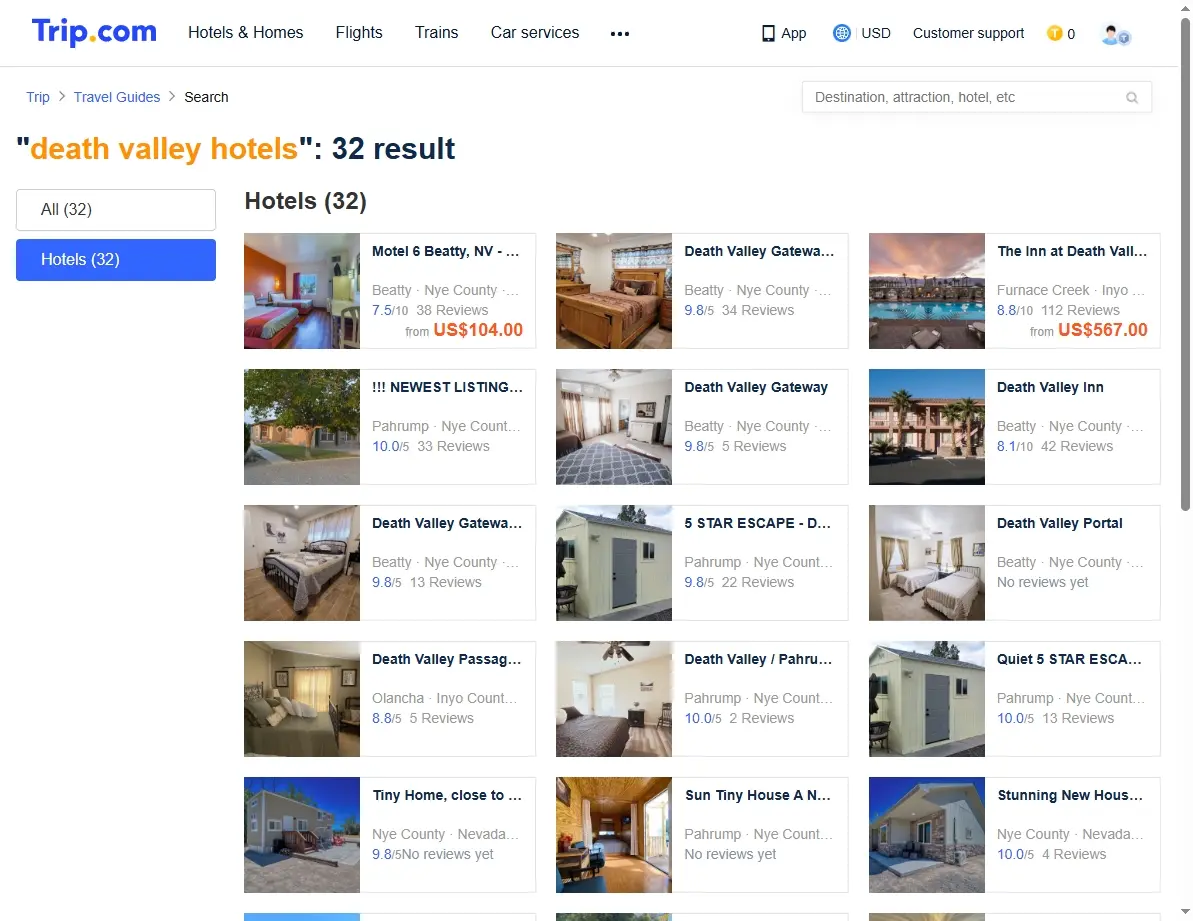
Find Current Hotel Deals in Death Valley
Discover special offers for travelers searching for the right hotel, from The Ranch to Pahrump, Nevada.

Book Activities & Guided Tours
Find special offers on activities around your hotel. Simply tap the name of a city or area in the search bar to view all available activities.
(Heads up: These are affiliate links! Booking through them helps support this blog, so thank you!)
What Amenities to Expect from Death Valley Lodging Options
When you’re deep in the park, you’re not just booking a room; you’re booking a lifeline. Your lodging is your sanctuary from the heat and your source of necessities. Knowing what amenities are standard (and what’s truly luxurious) can help you decide which of the available death valley hotels is right for you.
The Non-Negotiables (and the Luxuries)
Let's manage expectations. Inside Death Valley, amenities are functional first, luxurious second. But trust me, a reliable air conditioner feels more luxurious than a silk robe when it’s 115°F outside.
- The Pool (A Must-Have): The Oasis and Stovepipe Wells both have spring-fed pools that are kept at a pleasant temperature year-round. They are lifesavers and essential for cooling down, especially in the shoulder season.
- Air Conditioning (The True MVP): Every proper hotel room has it, but check the temperature settings! Some older units can struggle. (My first room felt like a freezer compared to the 110°F outside—zero complaints!)
- Food & Drink: Both main Death Valley resort locations have restaurants and bars, which is critical since you can't just run to the nearest town. Expect higher prices for convenience, but the quality at The Oasis is genuinely excellent.
- Wi-Fi/Cell Service: Prepare for it to be spotty or non-existent! The Oasis does a better job, but Stovepipe Wells is famously rough. Treat this trip as a digital detox—it’s actually a huge perk if you let it be.
- Gas Stations: There are pay-at-the-pump stations at Furnace Creek and Stovepipe Wells, but they are dramatically more expensive than outside the park. Fill up in Pahrump or Beatty, always.
Why Camping Might Be the Right Call (If You’re Brave)
For the truly budget-minded or those who love the stars, the park offers numerous campgrounds. From Furnace Creek Campground (reservable) to Stovepipe Wells (first-come, first-served), camping is the cheapest form of Death Valley lodging. Warning: If you are visiting outside of December-February, you need serious, professional-grade equipment to handle the heat. This isn't your average weekend camping trip.
Making the Most of Your Stay: Activities & Travel Hacks
You’ve booked one of the few available death valley hotels (or secured your affordable stay in Pahrump!). Congrats! Now let's pivot to the fun stuff: how to actually explore the park without turning into a crispy critter. The key is planning your days around the heat, not your energy level.
The Golden Hour Rule: Sunrise, Sunset, and Stargazing
Forget sleeping in. The best parts of Death Valley happen before 8 AM and after 5 PM. Your mid-day hours should be spent at the pool, the visitor center, or safely inside your air-conditioned room.
- Sunrise at Zabriskie Point: (PUT ITEM) If you do nothing else, do this. The light hitting the mudstone hills is breathtaking. It's a short drive from Furnace Creek.
- Sunset at Mesquite Flat Sand Dunes: (PUT ITEM) The colors shift from gold to magenta, and the long shadows make for incredible photos. It’s also relatively easy to walk on, unlike some of the steeper dunes.
- Stargazing (The I-Can’t-Believe-My-Eyes Moment): (PUT ITEM) Death Valley is an International Dark Sky Park. Seriously, the stars here are ridiculous. Turn off your phone, find a safe pull-off (like Harmony Borax Works), and just look up. It’s one of the best reasons to secure those precious death valley hotels—you're already there!
The Essential Death Valley Survival Kit
I know I sound like your mom, but listen to this advice. The desert is unforgiving, and a broken-down car or a moment of dehydration can be serious.
Carry at least one gallon of water per person, per day, minimum. Your car should be in top condition (check your tires!), and always tell someone where you’re going if you’re heading off the beaten path. Cell service is basically non-existent outside of the main resort areas.
Ready to Reserve Your Basecamp and Start the Adventure?
Booking accommodation in Death Valley is less about finding a luxury bargain and more about securing a strategic, safe, and comfortable home base for exploring an extreme landscape. Whether you choose the upscale Oasis resort, the historic charm of Stovepipe Wells, or an affordable stay in nearby Pahrump, your choice of death valley hotels will define your trip.
My final piece of advice? Don’t over-plan the hikes, but over-plan the logistics. Get that room booked, fill that gas tank, pack way too much water, and prepare to be humbled by the raw, stunning power of the desert. Trust me—this trip is worth every mile.
Still deciding where to stay or when to go?
Start with this one—you’ll thank me later. Explore all current deals on the latest pricing and availability for Flights and Hotel Deals Here.
Want more tips for desert travel or other Hotels by Destination? We’ve got you covered.
Discussion 0